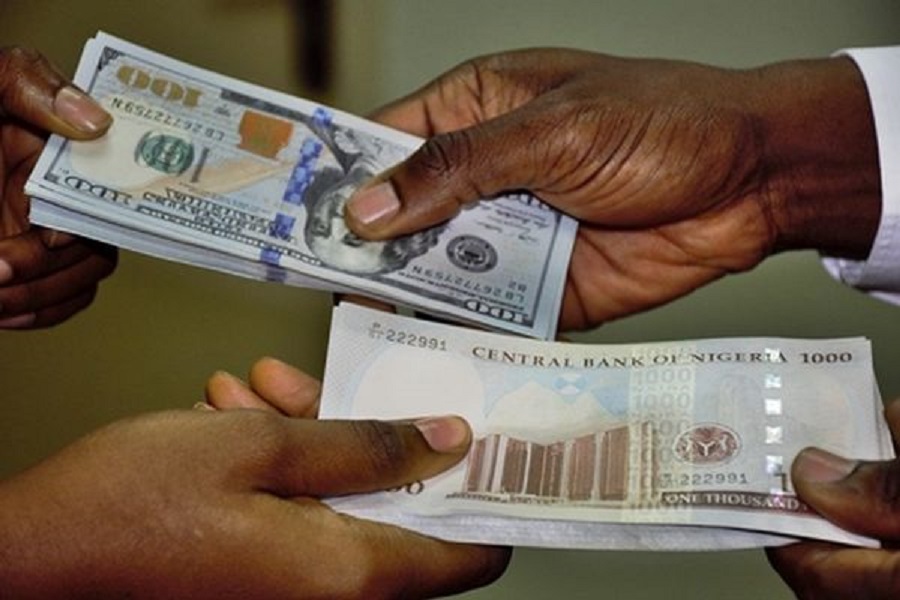
The naira has faced depreciation pressure in recent years that could take time to fully reverse.
- Oil Dependence: Nigeria relies heavily on crude exports, which are vulnerable to price volatility in international markets. Dips negatively impact forex reserves, supporting the currency.
- Foreign Portfolio Investment Outflows: Geopolitical and economic uncertainty periodically causes reversals of hot money inflows that temporarily boost the naira.
- Rising Import Bill: A large trade deficit is financed via dollar sales as the country imports numerous consumer goods. This exerts constant depreciatory pressure.
- Inflationary Challenges: High borrowing costs and money supply growth have fuelled domestic price rises, weakening real demand for the naira.
- Infrastructure Gaps: Lagging electricity, roads, and rail continue to limit the growth of non-oil sectors able to viably use the Naira internationally and attract long-term investment.
With reforms to address these structural issues, a stronger and more stable Naira exchange rate supporting balanced economic development should remain attainable over the medium-to-long term. In the short term, however, headwinds are significant.
While the short-term outlook presents difficulties, Nigerian policymakers have the tools and the will to enact reforms that strengthen key fundamentals over time. This will pave the way for durable Naira appreciation against its trading partners’ currencies. Patience and perseverance are required.