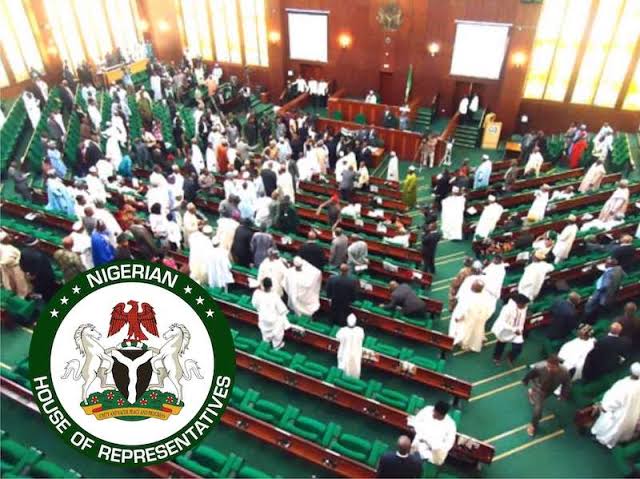
Recently, the House of Representatives in Nigeria proposed a minimum wage of N100,000 for Nigerian workers. This proposal has sparked discussions and debates among various stakeholders, including workers, employers, and policymakers. Let’s delve into the implications and considerations surrounding this proposal.
- Livable Wage:
- The proposed minimum wage of N100,000 aims to provide workers with a livable wage, considering the rising cost of living and inflationary pressures.
- It seeks to address the persistent issue of low wages and improve the standard of living for Nigerian workers, enabling them to meet their basic needs and support their families.
- Economic Viability:
- While a higher minimum wage can benefit workers, it is crucial to consider the economic viability and sustainability of such a proposal.
- Employers, especially small and medium-sized enterprises (SMEs), may face challenges in meeting the increased wage costs, potentially leading to job cuts or business closures.
- It is essential to strike a balance between providing fair wages and ensuring the viability and competitiveness of businesses, which are vital for economic growth and job creation.
- Sectoral Disparities:
- It is important to recognize the disparities across different sectors of the economy and their varying capacities to pay higher wages.
- Some sectors, such as manufacturing or industries with higher profit margins, may find it easier to comply with an increased minimum wage compared to sectors with lower profit margins or struggling businesses.
- Considering sector-specific wage dynamics and implementing a phased approach to wage increases may be necessary to minimize adverse effects on employment and business sustainability.
- Social welfare and productivity:
- A higher minimum wage can contribute to improved social welfare by reducing income inequality and lifting workers out of poverty.
- It can also enhance workers’ motivation and productivity, leading to increased efficiency and overall economic growth.
- However, it is crucial to ensure that productivity gains align with wage increases to maintain a balanced and sustainable labor market.
- Cost of Goods and Services:
- An increase in the minimum wage may lead to a rise in the cost of goods and services as businesses pass on the higher labor costs to consumers.
- This could potentially impact the purchasing power of individuals, particularly those who are not directly affected by the minimum wage increase.
- Balancing the wage increase with measures to control inflation and mitigate the impact on the overall cost of living is essential to ensuring its effectiveness.
The proposal for a N100,000 minimum wage reflects the desire to address the welfare and economic needs of Nigerian workers. However, it is crucial to carefully analyze the potential consequences, consider the varying capacities across sectors, and implement measures that strike a balance between fair wages and economic sustainability.
FAQs:
- What is the current minimum wage in Nigeria, and when was it last increased?
- How will the proposed minimum wage impact the informal sector and self-employed individuals?
- What other measures are being considered to improve the overall welfare of Nigerian workers, apart from a higher minimum wage?