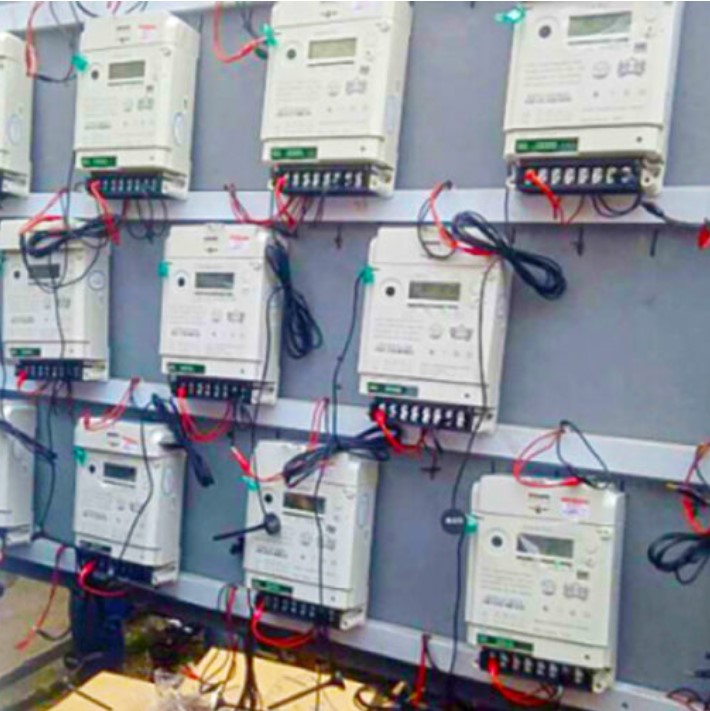
The Organised Private Sector (OPSN) has expressed deep concern over the new tariff of N225/kwh for Band A electricity customers, stating that it may lead to the closure of over 65 percent of private businesses, particularly in the manufacturing sector and SMEs. The association has called for the suspension of the new tariff implementation to allow for meaningful dialogue among all stakeholders. They emphasize the need to discuss the process and methodology of determining electricity tariffs and jointly agree on a transparent mechanism for tariff setting.
According to the OPSN, Nigeria now ranks third, after Germany and the United Kingdom, in terms of countries with high electricity costs. The association, which includes prominent Business Membership Organisations (BMOs) such as the Manufacturers Association of Nigeria (MAN), Nigerian Association of Chambers of Commerce, Industry, Mines and Agriculture (NACCIMA), Nigeria Employers’ Consultative Association (NECA), Nigerian Association of Small-Scale Industrialists (NASSI), and Nigerian Association of Small and Medium Enterprises (NASME), represents over five million businesses in Nigeria.
The OPSN highlights that its member companies have raised numerous complaints regarding the implications of the significant increase in electricity tariffs by the Nigerian Electricity Regulatory Commission (NERC) for Band A customers. They argue that the increase was implemented without proper consultations with the private sector. The sudden and substantial increase, coupled with inadequate electricity supply, poses a threat to the competitiveness of Nigerian products and businesses. Furthermore, it will exacerbate the already high cost of production. The OPSN points out that the astronomical increase contradicts the MYTO Order referenced NERC/2023/05, which valued the cost-reflective tariff at N114.8/kwh, based on an exchange rate of N919.39/$1. Additionally, it fails to reflect the current exchange rate reality, with the naira appreciating by 62.95 percent against the dollar in the last month.
The OPSN provides an example to illustrate the impact of the increased electricity tariff of N225/kwh, determined using an exchange rate of N1463.31/$1, on the cost profile of a medium-sized company consuming 700 kW. They estimate that the firm would need to pay approximately N1.4 billion per annum for electricity. In contrast, a similar medium-sized company in China would pay a little over N24 million.
The association expresses deep concern over the fact that the electricity supply is insufficient despite the significant tariff increase. They also highlight that this increase comes at a time of macroeconomic instability, infrastructure deficits, and other supply-side constraints that limit the performance of the productive sector. The OPSN urges all stakeholders to engage in meaningful dialogue to address these issues and find a sustainable solution that supports the growth and competitiveness of Nigerian businesses.