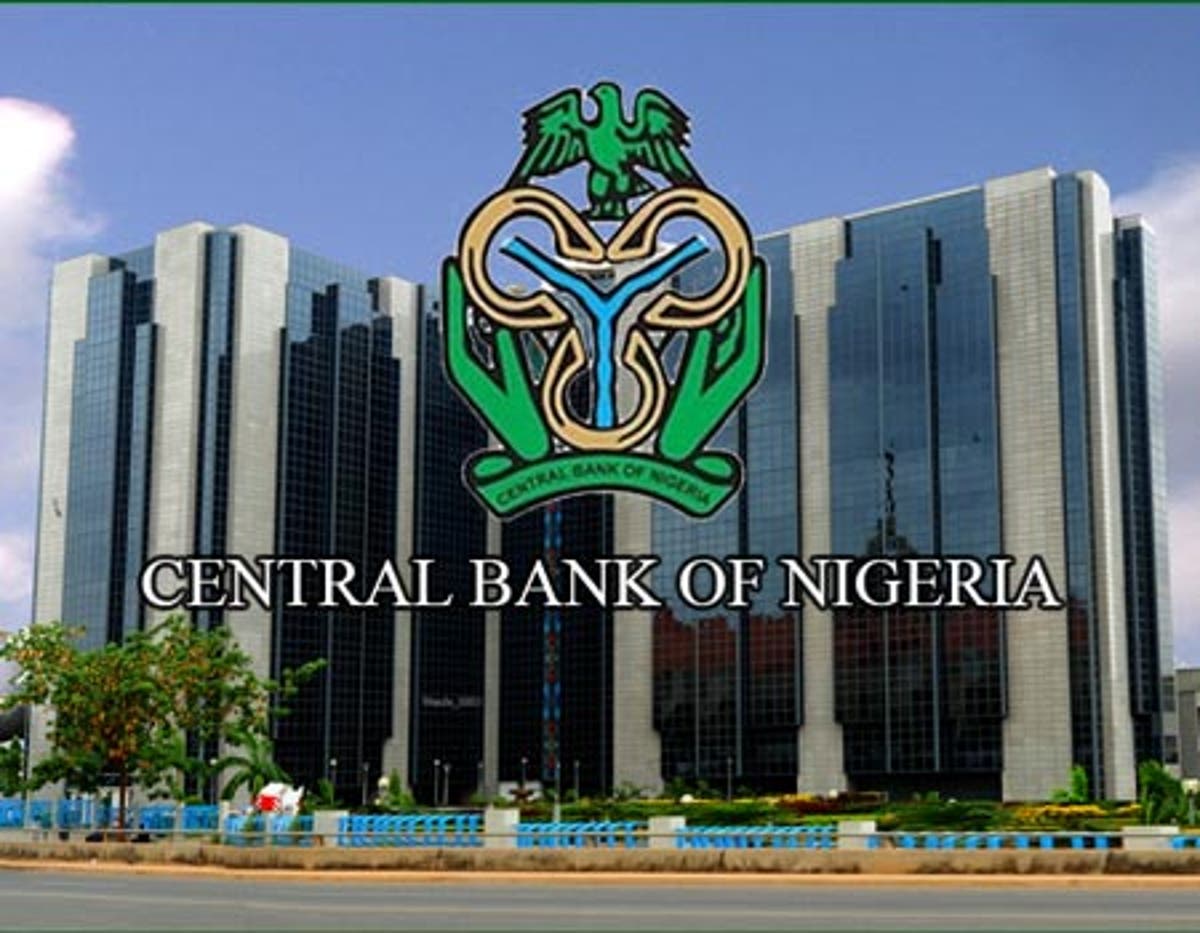
In a move to shore up reserves and support the naira, Nigeria’s central bank raised a record sum of N1.3 trillion through the sale of Treasury bills this week. According to Governor Godwin Emefiele, the CBN offered N850 billion worth of 91-day, 182-day, and 364-day bills to investors during its most recent bi-weekly TBILL auction.
Total bids received for the securities amounted to over N1.3 trillion, indicating significant demand that surpassed the offered amount. This unprecedented level of oversubscription reflects positive confidence in the Nigerian economy’s recovery as well as prospects going forward despite present challenges.
Addressing journalists, Emefiele stated that the Treasury bills were successfully sold at competitive interest rates ranging between 1-5%, depending on the specific tenor. The strong auction result provides a boost to CBN’s external reserves, currently at around $38 billion.
Having raised such a sizable sum, the apex bank now has ample room to further intervene in the investors’ & exporters’ forex window. Sustained intervention in the window helps stabilize the naira exchange rate through increased dollar liquidity. This, in turn, fosters broader macroeconomic stability in Nigeria.
According to a CBN spokesperson, shoring up external reserves is important to meet genuine forex demands in the economy. It also serves to ease pressure on the domestic currency from speculative shifts. Additionally, raising funds through TBILL sales at relatively low rates bodes well for the continued recuperation of the Nigerian economy.
The huge oversubscription of N1.3 trillion against the N850 billion on offer signals robust confidence by investors regarding the CBN’s reforms and strategies. It reflects expectations of ongoing GDP expansion and overall progress. Most analysts agree more headway is still necessary, however.
With monetary policy normalization in advanced countries raising global uncertainties, sustaining positive sentiments domestically is key. For example, inflation has been a lingering issue, requiring vigilance. In addition, structural issues around power, transport, and security remain obstacles to higher investment and growth.
Still, optimists point to the multiple initiatives under Nigeria’s Economic Sustainability Plan to tackle supply-side frictions. Successful bond sales abroad also suggest the appetite for Nigerian assets is strengthening. If macro-stability holds and reforms press ahead, economic prospects could brighten through 2024.
By raising the record sum of N1.3 trillion, the CBN has boosted ammunition for currency market intervention. Continued prudent open market operations should create space to fortify reserves and support the exchange rate. This offers valuable backing for Nigeria’s economic recovery program. Much work still lies ahead, however, to make progress truly sustainable over the long term.