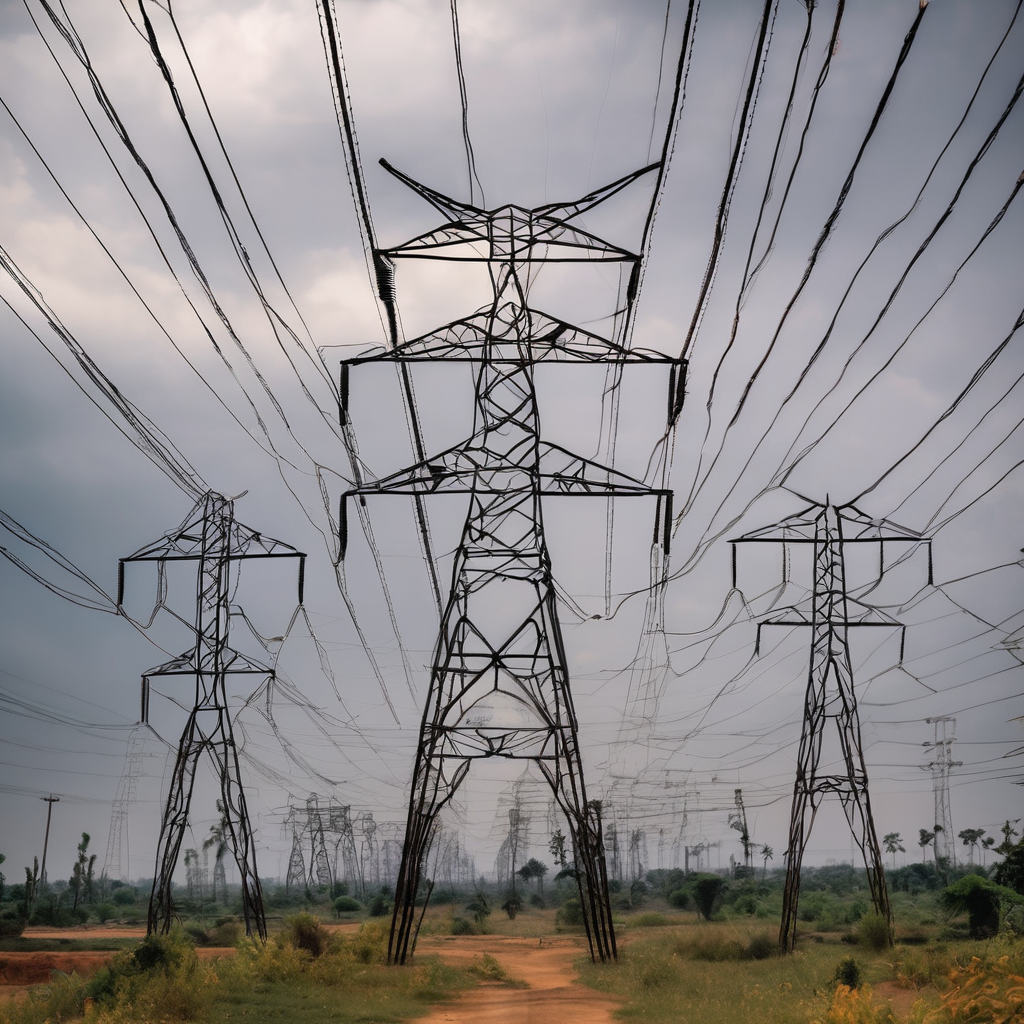
Nigeria, a country known for its vast resources and potential, has long grappled with the issue of unstable electricity supply. The lack of consistent power has hindered economic growth, affected quality of life, and posed challenges across various sectors. In this article, we will explore the factors contributing to Nigeria’s electricity challenges, examine current efforts to address the issue, and discuss the potential for Nigeria to achieve one month of stable electricity in the future.
1. Challenges Facing Nigeria’s Electricity Sector:
a) Insufficient Infrastructure: Nigeria’s power infrastructure is outdated and inadequate to meet the increasing demands of its growing population. The transmission and distribution networks suffer from frequent breakdowns, leading to power outages and instability.
b) Inadequate Power Generation: Despite having significant natural gas reserves and renewable energy potential, Nigeria struggles to generate enough electricity to meet its needs. Inadequate investment in power generation infrastructure has resulted in a significant gap between supply and demand.
c) Financial viability: The electricity sector in Nigeria faces financial challenges, including poor revenue collection, high debt levels, and tariff discrepancies. These issues have hampered the sector’s ability to attract investment, upgrade infrastructure, and improve service delivery.
2. Current Efforts and Initiatives:
a) Privatization of the Power Sector: In 2013, Nigeria initiated the privatization of its power sector to attract private investors and improve efficiency. However, the expected positive outcomes have been slow to materialize, and challenges remain in terms of regulatory frameworks, tariff adjustments, and accountability.
b) Renewable Energy Development: Nigeria has recognized the potential of renewable energy sources, such as solar and wind, to diversify its energy mix and increase power generation. Initiatives like the Nigerian Renewable Energy and Energy Efficiency Project (NREEEP) aim to promote renewable energy adoption and improve energy efficiency.
c) Infrastructural Upgrades: Efforts are underway to upgrade Nigeria’s power transmission and distribution infrastructure. The Transmission Company of Nigeria (TCN) is implementing projects to strengthen the grid, reduce transmission losses, and enhance system stability.
3. The Potential for Stable Electricity:
While Nigeria’s electricity challenges are complex and deeply rooted, there is reason to be cautiously optimistic about the country’s ability to achieve stable electricity in the future.
a) Government Commitment: The Nigerian government has demonstrated its commitment to resolving the electricity crisis through various initiatives, policies, and reforms. Continued political will and sustained investment can help drive progress.
b) Public-Private Partnerships: Collaborations between the government and private sector can bring technological expertise, funding, and management efficiencies to the power sector. Encouraging private investments and creating an enabling environment can accelerate progress.
c) Regional Cooperation: Nigeria can learn from successful models in neighboring countries that have made significant strides in improving their electricity sectors. Sharing best practices and collaborating on cross-border energy projects can contribute to stability and reliability.
While achieving one month of stable electricity in Nigeria is undoubtedly a complex task, it is not an insurmountable challenge. With a combination of continued investment, effective policy implementation, and sustained efforts towards infrastructure development and diversification of energy sources, Nigeria can move closer to realizing a stable electricity supply. It will require the collective efforts of the government, private sector, and citizens to overcome the obstacles and unlock the country’s immense potential for a brighter and more electrified future.