
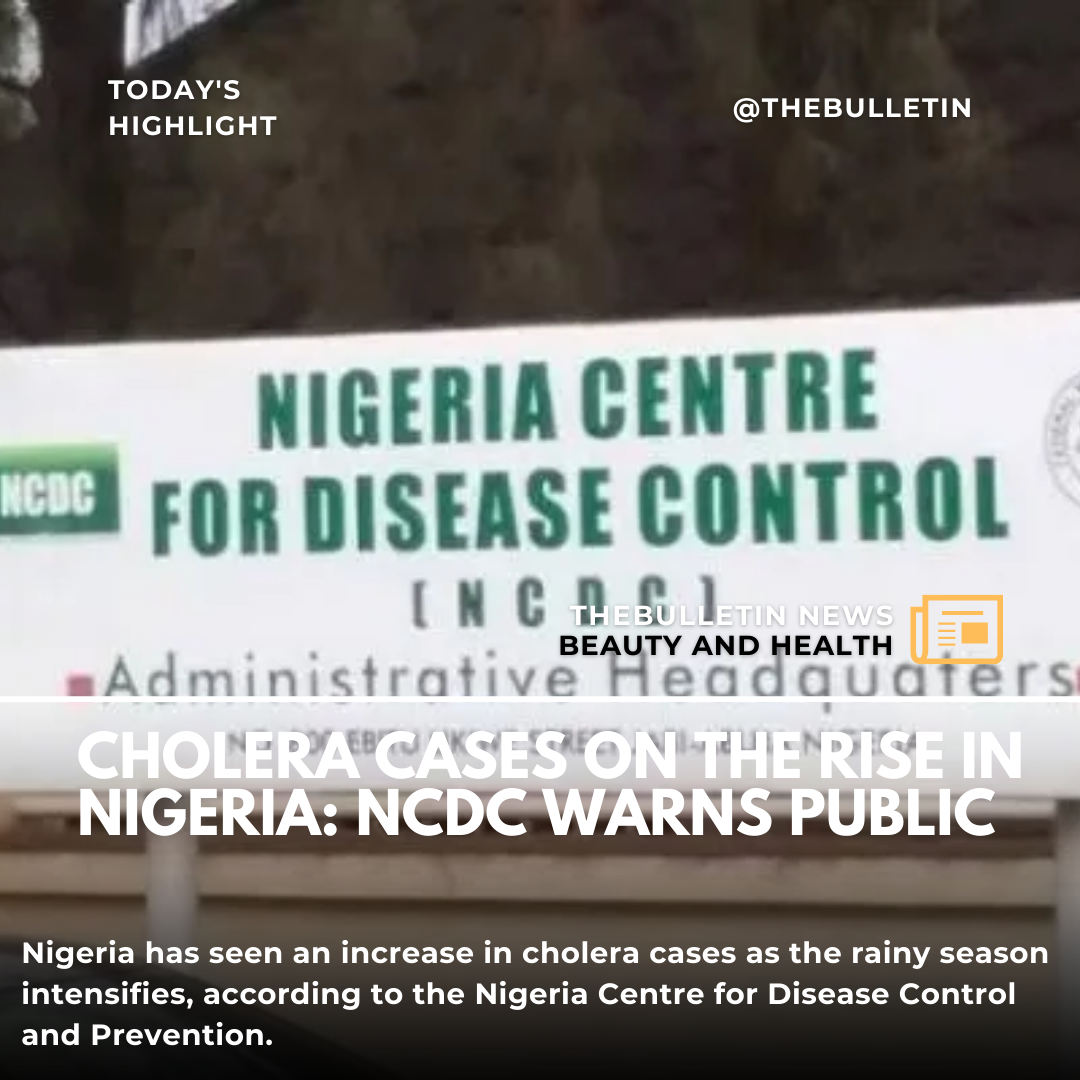
Nigeria has seen an increase in cholera cases as the rainy season intensifies, according to the Nigeria Centre for Disease Control and Prevention (NCDC). From January 1 to June 11, the country recorded 65 confirmed cases of cholera, resulting in 30 deaths across 96 local governments in 30 states. The NCDC issued a public health advisory to raise awareness about the growing trend of cholera cases nationwide.
The outbreak in Lagos State, which led to 60 hospital admissions and five deaths within 48 hours, has raised concerns. The NCDC reported a total of 1,141 suspected cases in 2024, with 10 states accounting for 90% of the total number. These states include Bayelsa, Zamfara, Abia, Cross River, Bauchi, Delta, Katsina, Imo, Nasarawa, and Lagos.
Cholera is a highly contagious food and water-borne disease that spreads through direct and indirect transmission. Symptoms include sudden onset of painless watery diarrhea, vomiting, nausea, and fever. Severe cases can result in death within hours due to dehydration. However, 80% of people may only experience mild symptoms or none at all.
The NCDC emphasized that early detection is crucial for successful treatment. Oral rehydration solution (ORS) is the primary treatment to replace lost fluids and electrolytes, along with appropriate antibiotics. Preventive measures include access to safe drinking water, proper sanitation and waste disposal, and good hygiene practices such as handwashing. Avoidance of raw or undercooked food, street vendors, and unsafe water sources is also recommended.
The NCDC has been actively supporting affected states through its National Cholera Technical Working Group, which includes various government agencies and partners. The support includes risk communication, case search, laboratory diagnosis, case management, provision of response commodities, water sanitation and hygiene (WASH) interventions, and public awareness campaigns in English and local languages.
The NCDC urges the public to seek medical attention at healthcare facilities if they experience sudden watery diarrhea and advises health workers to follow standard safety precautions while caring for patients. By implementing these measures and raising awareness, Nigeria aims to address the rising cholera cases and minimize the impact of the disease.




Comments 1