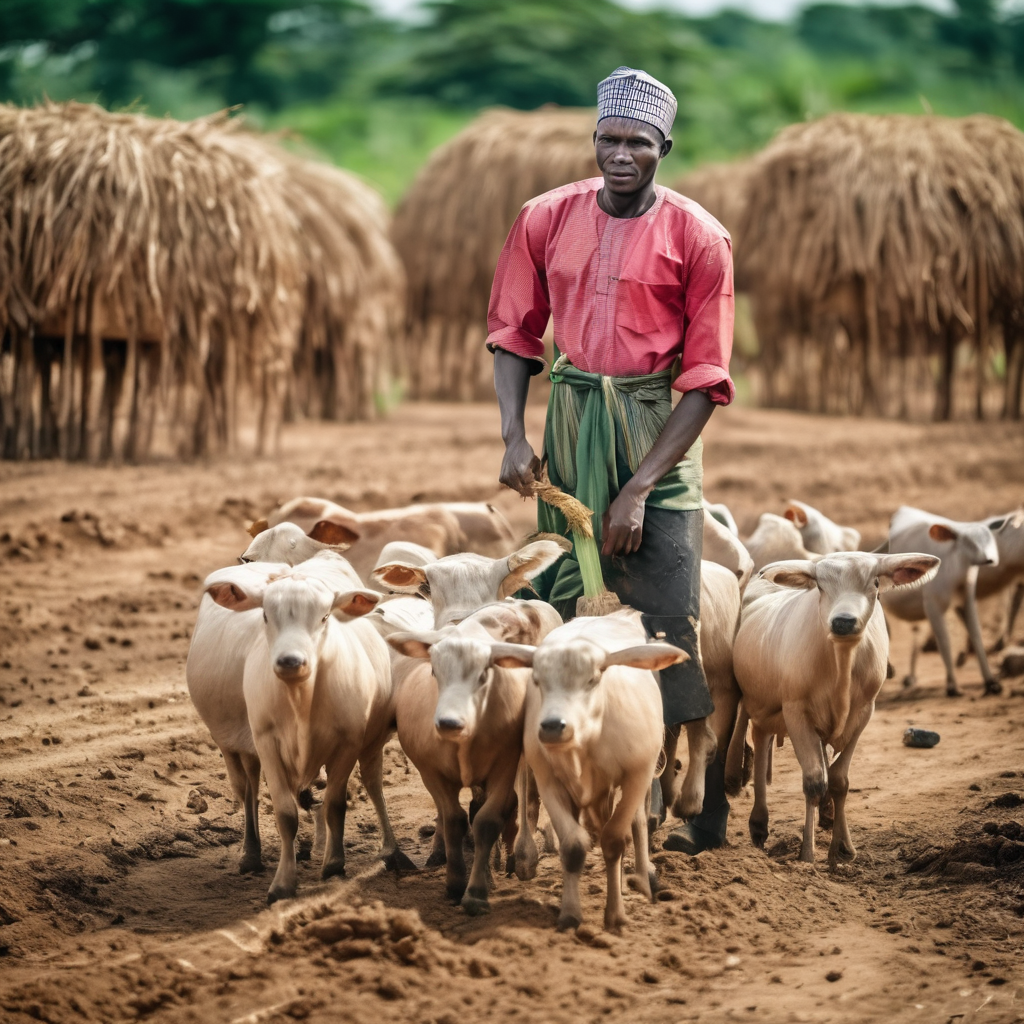
Farming plays a vital role in Nigeria’s economy, providing employment opportunities, contributing to food security, and driving rural development. However, the agricultural sector in Nigeria faces several challenges that hinder its full potential. In this article, we will explore the farming challenges in Nigeria and discuss strategies to break these barriers for success.
1. Limited Access to Finance
Access to finance is a significant challenge for farmers in Nigeria. Many small-scale farmers lack the necessary capital to invest in modern farming techniques, high-quality seeds, fertilizers, and machinery. Limited access to credit and high interest rates further exacerbate the financial constraints faced by farmers. To overcome this challenge, the government and financial institutions should prioritize agricultural financing, provide affordable credit, and develop innovative financial products tailored to the needs of farmers.
2. Inadequate Infrastructure
Inadequate infrastructure, including poor road networks, limited irrigation systems, and an unreliable power supply, poses a significant challenge to farming in Nigeria. Farmers struggle to transport their produce to markets, access water for irrigation, and store perishable goods. To address this challenge, there should be increased investment in rural infrastructure development, including the construction and maintenance of roads, irrigation systems, and storage facilities. Additionally, the government should explore renewable energy solutions to provide reliable power supply to rural farming communities.
3. Climate Change and Environmental Degradation
Climate change and environmental degradation pose significant challenges to farming in Nigeria. Erratic weather patterns, including prolonged droughts, floods, and desertification, affect crop yields and livestock production. Additionally, deforestation and soil erosion contribute to land degradation, further reducing agricultural productivity. To mitigate these challenges, there should be a focus on climate-smart agriculture practices, such as conservation farming, agroforestry, and water management techniques. Furthermore, awareness campaigns and training programs should be conducted to educate farmers on sustainable farming practices.
4. Lack of Mechanization and Technology Adoption
The lack of mechanization and technology adoption is a major challenge in Nigerian agriculture. Many farmers still rely on traditional farming methods, which are labor-intensive and less efficient. Limited access to modern farming equipment and technology hinders productivity and reduces the competitiveness of Nigerian farmers. To address this challenge, there should be increased investment in agricultural mechanization, including the provision of affordable machinery and training programs on technology adoption. Additionally, partnerships with private sector companies can facilitate the transfer of agricultural technology to farmers.
5. Inadequate Market Access and Price Volatility
Farmers in Nigeria often face challenges accessing markets and obtaining fair prices for their produce. Limited market infrastructure, a lack of market information, and price volatility contribute to the difficulties faced by farmers. To overcome this challenge, there should be efforts to improve market linkages, establish agricultural produce marketing boards, and promote the use of digital platforms for market information dissemination. Additionally, the government should implement policies that stabilize prices and protect farmers from price fluctuations.
In conclusion, addressing the farming challenges in Nigeria requires a multi-faceted approach involving government intervention, private sector participation, and collaboration among stakeholders. By prioritizing agricultural financing, investing in rural infrastructure, promoting sustainable farming practices, facilitating technology adoption, and improving market access, Nigeria can break the barriers hindering farming success and unlock the full potential of its agricultural sector.