In a significant move towards achieving food security and combating food inflation, the Nigerian government, led by President Bola Tinubu, has announced the suspension of taxes, duties, and tariffs on essential food items imported through land and sea borders. The Minister of Agriculture, Abubakar Kyari, made this announcement during a press briefing at the National Press Centre in Abuja.
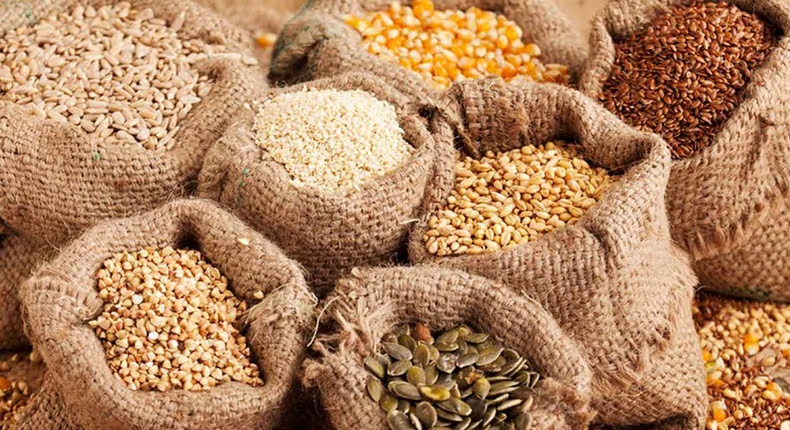
This suspension will last for 150 days, providing an opportunity for the importation of key food commodities, including maize, wheat, husked brown rice, and cowpeas. The government aims to ensure affordability and accessibility for Nigerians by subjecting these items to a Recommended Retail Price (RRP), while maintaining stringent standards of food safety and quality.
To further support local industries and job creation, the Federal Government plans to import 250,000 metric tons each of wheat and maize. These semi-processed food commodities will be specifically targeted towards small-scale processors and millers across the country.
In addition to these measures, the government has established the Renewed Hope National Livestock Transformation Implementation Committee. This committee will play a pivotal role in developing and implementing policies that prioritize livestock development in Nigeria, fostering livestock productivity, promoting sustainable practices, and contributing to the overall growth of the agricultural sector.
The government’s commitment to achieving Food Prices, food security and ensuring that no Nigerian goes to bed hungry is evident in these recent developments. By suspending taxes and tariffs on imported food items, the government is proactively addressing Food Prices inflation challenges and ensuring the availability of essential commodities for its citizens.
These measures underscore the government’s dedication to addressing the pressing issue of Food Price and security in Nigeria. By implementing policies that support both local production and importation, the government aims to create a sustainable and resilient food system capable of withstanding various challenges. Through these efforts, the government strives to alleviate hunger, stimulate economic growth, and enhance the overall well-being of all Nigerians.