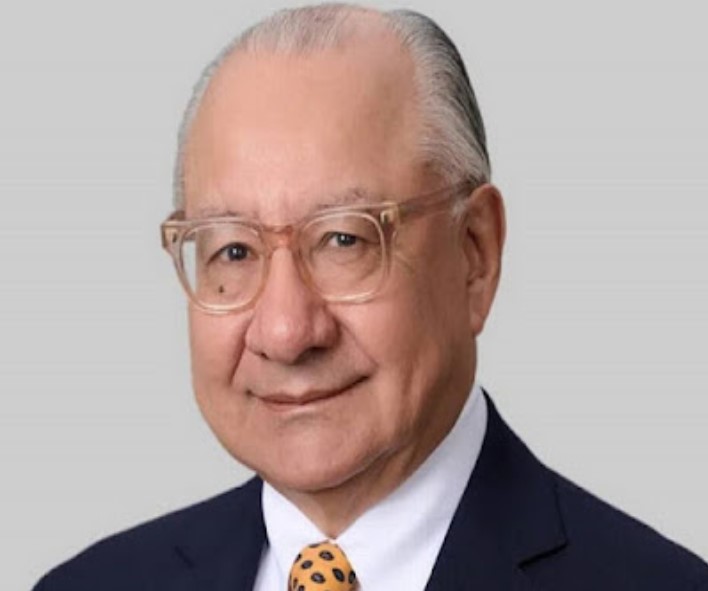
Miami-based US District Judge Beth Bloom has sentenced Victor Manuel Rocha, the former United States Ambassador to Bolivia, to 15 years in prison for spying on the American government for over a decade. Rocha, who acted as an agent of a foreign government, has been found guilty of a betrayal of the highest order.
The sentencing comes after Rocha pleaded guilty to two counts, including the charge of acting as an agent of a foreign government. In addition to the prison term, Rocha has been fined the maximum penalty of $500,000.
The case against the former US ambassador was brought to light in December when he was indicted for what Attorney General Merrick Garland described as “one of the highest-reaching and longest-lasting infiltrations of the US government by a foreign agent.” The severity of the charges emphasizes the gravity of Rocha’s actions and the potential damage caused by his espionage activities.
Assistant Attorney General Matthew G. Olsen expressed his thoughts on the matter, stating, “Today’s plea and sentencing bring to an end more than four decades of betrayal and deceit by the defendant. Rocha admitted to acting as an agent of the Cuban government while holding numerous positions of trust in the US government, a staggering betrayal of the American people, and an acknowledgment that every oath he took to the United States was a lie.”
Rocha’s career in public service spanned over 20 years, during which he held various high-ranking positions, including ambassador to Bolivia from 2000 to 2002. He also served in several embassies and worked at the White House during the Bill Clinton administration. The revelation of his espionage activities has sent shockwaves through the diplomatic community, serving as a stark reminder of the potential threats posed by individuals in positions of power.
The sentencing of Victor Manuel Rocha sends a clear message that espionage and betrayal of national trust will not be tolerated. It underscores the United States’ commitment to protecting its interests and national security. The case also highlights the importance of robust counterintelligence measures to identify and neutralize potential threats within the government.
Moving forward, it is crucial to maintain vigilance and ensure that individuals in positions of authority are thoroughly vetted and monitored to prevent similar incidents from occurring in the future. The sentencing of Rocha should serve as a deterrent to those who may consider compromising national security for personal gain or allegiance to foreign entities.
The United States remains steadfast in its commitment to upholding the principles of integrity, transparency, and loyalty to its citizens. The case of Victor Manuel Rocha serves as a reminder that the nation will not hesitate to prosecute those who betray the trust placed in them and jeopardize the security of the country.