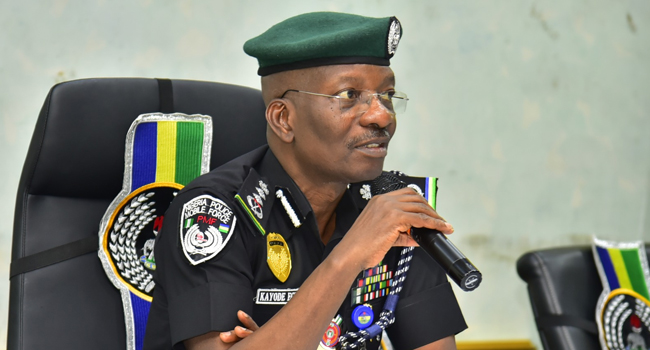
In recent discussions surrounding the establishment of state police in Nigeria, the Inspector General of Police, IGP Kayode Egbetokun, has expressed his reservations about the idea. Speaking at a one-day dialogue on state policing, he emphasized that the country is not yet ready for such a significant change. Egbetokun believes that the establishment of state police could potentially exacerbate ethnic tensions and create divided loyalties within the states.
Represented by AIG Ben Okolo, the Inspector General of Police highlighted the concern of multiple command structures that would arise with the implementation of state police. He argued that this fragmentation could lead to inefficiencies and coordination challenges in law enforcement efforts.
One of the key concerns raised by Egbetokun is the potential for abuse of power and human rights violations by state governors. He cautioned that the privilege of having state police might be exploited for political gains, compromising the impartiality and professionalism of law enforcement agencies.
Another critical point made by the Inspector General of Police is the issue of funding. He argued that state governments may lack the necessary financial resources to establish and sustain the type of policing that the nation requires. This could lead to inadequate training, equipment, and infrastructure, ultimately hindering effective law enforcement.
Instead of advocating for the establishment of state police, Egbetokun proposed an alternative solution. He recommended the merging of the Nigeria Security and Civil Defence Corps (NSCDC) and the Federal Road Safety Commission (FRSC) to form a specialized department within the Nigeria Police Force. This consolidation would enhance collaboration and coordination among different security agencies, leading to more effective crime prevention and response.
Furthermore, the Inspector General of Police stressed the importance of increasing the recruitment of police personnel to meet the modern policing standards set by the United Nations. He suggested an annual recruitment target of approximately 30,000 police officers. Additionally, he emphasized the need for increased budgetary allocations to the police force to provide the necessary resources for training, equipment, and infrastructure development.
While the establishment of state police may seem like a viable solution to address localized security challenges, the concerns raised by the Inspector General of Police should not be taken lightly. The potential risks of ethnic tensions, divided loyalties, and abuse of power should be thoroughly evaluated before implementing such a significant change in the country’s law enforcement structure.
In conclusion, the Inspector General of Police, IGP Kayode Egbetokun, has expressed his reservations about the establishment of state police in Nigeria. He believes that the country is not yet ready for such a change and that it may lead to ethnic tensions, divided loyalties, and abuse of power. Instead, he suggests merging existing security agencies and increasing recruitment and budgetary allocations to enhance the effectiveness of the Nigeria Police Force. These recommendations aim to ensure a unified and professional approach to law enforcement in the country.