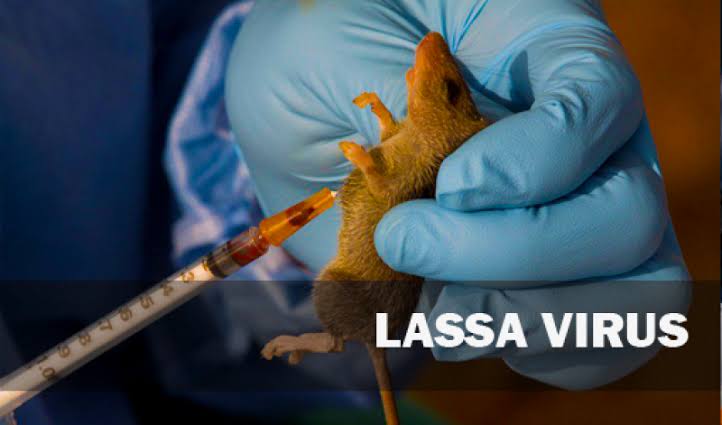
In a recent World Health Day media briefing held in Makurdi, the Health Commissioner of Benue State, Dr. Yanmar Ortese, delivered troubling news regarding the surge in Lassa fever fatalities. The data presented during the briefing revealed a significant increase in cases, with 820 reported cases, 63 confirmed cases, and 16 deaths from this viral hemorrhagic illness. Dr. Ortese described this outbreak as the largest in the history of the state.
Benue State’s situation is made worse by the fact that it ranks sixth nationally and has the highest prevalence of tuberculosis in the North Central region. These figures highlight how urgently the state’s response to infectious diseases needs to be strengthened.
However, amidst these challenges, there have been some notable achievements. The state health insurance scheme has provided assistance to over 50,000 vulnerable residents and 5,500 internally displaced persons (IDPs). This positive step must be sustained and expanded to ensure that more individuals have access to quality healthcare.
During the media briefing, Dr. Matshidiso Moeti, the WHO Africa Director, emphasized the importance of including marginalized communities in healthcare programs. These communities often face barriers to receiving quality care due to conflicts and other crises. It is crucial to address their rights to equitable and comprehensive healthcare.
As a torchbearer of public wellness, Benue State must prioritize investments in skilled healthcare personnel and essential facilities. Establishing a molecular laboratory for efficient testing would be a significant step forward. By combining the efforts of state agencies, philanthropists, and development partners, the fragile healthcare system can be strengthened to better serve the people of Benue State. The lives of countless individuals depend on these collective actions.
It is imperative that the government and relevant stakeholders take immediate and comprehensive measures to contain the Lassa fever outbreak and address the high prevalence of tuberculosis. This requires a multi-faceted approach, including public awareness campaigns, improved surveillance systems, enhanced infection prevention and control measures, and the provision of adequate resources for diagnosis, treatment, and care.