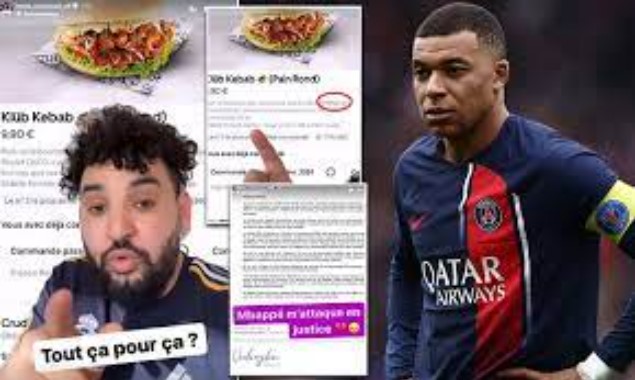
Kylian Mbappé, the world-renowned football star, has recently taken legal action against Mohamed Henni, a kebab shop owner, for the unauthorized use of his name in the description of one of Henni’s sandwiches. This case has ignited a passionate debate and raises significant questions about the ethical and legal implications of using a celebrity’s name for commercial purposes without their consent.
Mohamed Henni, the owner of a popular kebab shop, introduced a new sandwich to his menu called the “Klüb kebab.” What caught Mbappé’s attention was not just the name itself, but the accompanying description that claimed the sandwich was made with “baker-round bread, as round as Mbappé’s skull.” This clever play on words, using the football star’s name in the sandwich description, quickly garnered attention and controversy.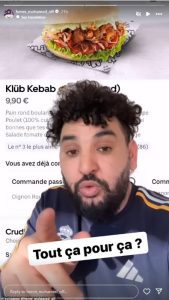
Kylian Mbappé, recognizing the potential impact on his image and brand, wasted no time in taking action. His legal team promptly sent a certified letter to Mohamed Henni, demanding the immediate removal of Mbappé’s name from the menu within eight days. Failure to comply would result in legal consequences for Henni, who was accused of exploiting Mbappé’s name for commercial gain without proper authorization.
In response to the legal action, Mohamed Henni expressed his shock and disbelief through a series of posts on his Instagram account. He questioned the necessity of being sued for what he believed to be a harmless and playful way to attract customers. Henni defended his actions, stating that he never intended to harm Mbappé’s image or exploit his name for personal gain.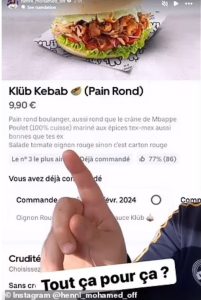
The case between Kylian Mbappé and Mohamed Henni brings to light several important legal implications surrounding the use of a celebrity’s name for commercial purposes without their consent.
First and foremost, it raises the issue of the right to publicity. The right to publicity grants individuals control over the commercial use of their name, image, or likeness. Using a celebrity’s name without their permission in a commercial context can be seen as a violation of this right. Mbappé’s legal action seeks to protect his right to control how his name is used and associated with products and services.
Furthermore, this case highlights the importance of intellectual property protection. Celebrities often take steps to trademark their names and likenesses to safeguard their brand and prevent unauthorized use. The unauthorized use of a celebrity’s name in a commercial context can potentially infringe on their intellectual property rights. Mbappé’s legal team is asserting his intellectual property rights by challenging the unauthorized use of his name in the sandwich description.
Lastly, the case raises concerns about the potential commercial impact of associating a celebrity’s name with a product. Using a celebrity’s name in the branding of a product can create an implicit endorsement and connection between the celebrity and the product, potentially leading to financial gain for the business. However, it also raises questions about the authenticity of the endorsement and the potential for misleading consumers. Mbappé’s legal action aims to protect his image and ensure that his name is not used in a way that could mislead or exploit consumers.
The legal battle between Kylian Mbappé and Mohamed Henni serves as a significant reminder of the importance of respecting celebrities’ rights to their own image and name. It emphasizes the need for businesses and individuals to obtain proper consent and permissions when using a celebrity’s name or likeness for commercial purposes. As this case unfolds, it will undoubtedly have a lasting impact on the boundaries of commercial use and the protection of celebrities’ intellectual property rights.