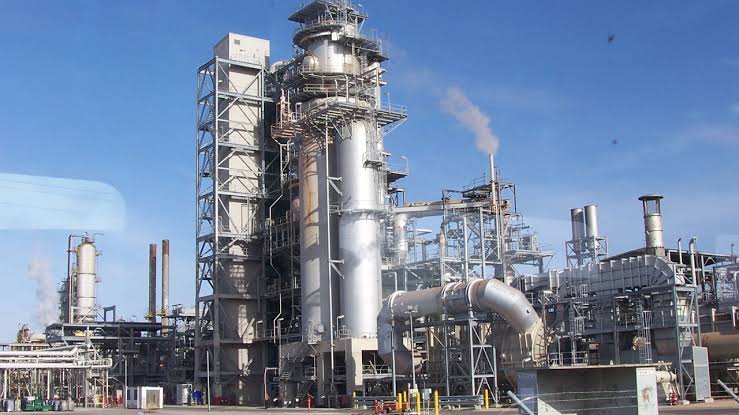
The Federal Government of Nigeria has revealed its plan to sell crude oil to Dangote and local refineries as a strategic move to boost the naira. Gbenga Komolafe, the Chief Executive of the Nigerian Upstream Petroleum Regulatory Commission, shared this information during a briefing held in Abuja on April 15th.
According to Komolafe, Nigeria’s total crude oil and condensate reserves have increased to 37.5 billion barrels as of January 1, 2024, with a projected life index of 68.01 years. In collaboration with relevant stakeholders, including the NNPC Upstream Investment Management Services, representatives of crude oil and condensate producers, the Crude Oil Refinery Owners Association of Nigeria, and Dangote Petroleum Refinery, the commission has developed a template for the buy-in of crude oil.
The objective of this initiative is to ensure a seamless implementation of the Direct Crude Oil Sales Obligation (DCSO) and to guarantee a consistent supply of crude oil to domestic refineries. The recently enacted Petroleum Industry Act (PIA) aims to facilitate the implementation of crude oil obligations for producers and refineries.
When it comes to the transaction currency, Komolafe explained that it could be conducted in either Naira or dollars. However, conducting the transaction in Naira would alleviate pressure on the exchange rate and potentially contribute to its stability. This move aligns with the broader intent of the Petroleum Industry Act, which seeks to develop the midstream sector and enhance the overall growth of Nigeria’s oil and gas industry.
The decision to sell crude oil to Dangote and local refineries represents a strategic approach to bolstering the Naira and promoting economic stability. By prioritizing domestic refining capabilities, Nigeria aims to reduce its reliance on imported petroleum products and foster self-sufficiency in meeting the nation’s energy needs.
This move also aligns with Nigeria’s broader vision of developing a robust and sustainable oil and gas sector. By encouraging local refining, the country can create employment opportunities, attract investments, and enhance its energy security. Additionally, the sale of crude oil to Dangote and local refineries will contribute to the growth of the downstream sector, stimulating economic activity and supporting the overall development of Nigeria’s economy.
In conclusion, Nigeria’s decision to sell crude oil to Dangote and local refineries as a means to boost the Naira demonstrates a strategic approach to economic stability and the development of the oil and gas industry. By prioritizing domestic refining capabilities and reducing reliance on imported petroleum products, Nigeria aims to foster self-sufficiency and enhance its energy security. This initiative, in line with the Petroleum Industry Act, has the potential to drive economic growth, create employment opportunities, and position Nigeria as a key player in the global energy market.