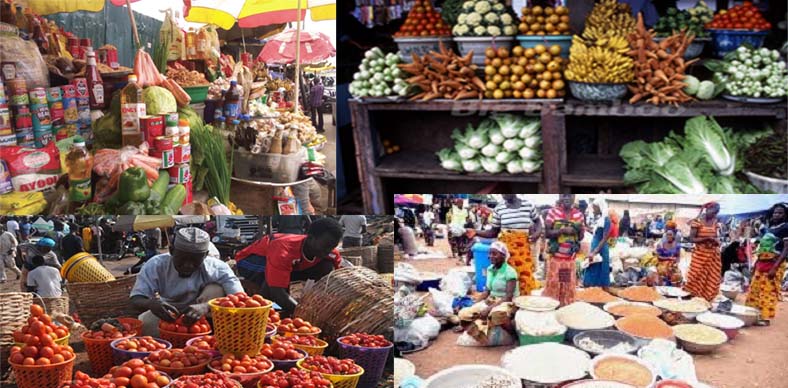
A recently published survey on food security has uncovered a deeply concerning situation regarding access to nutrition across Nigeria. The report, released in collaboration with government and humanitarian partners, highlights that only 21% of households in the country have consistent access to an adequate caloric intake and dietary diversity.
The study examined consumption patterns and levels of essential nutrients among women, children under five, and adolescent girls. Shockingly, 59% of Nigerians experience moderate food insecurity, while 20% face severe shortages. The report also revealed that 41.5% of families lacked the financial means to purchase meals within the past week.
These findings underscore the urgent need to address Nigeria’s food crisis, which is exacerbated by inadequate water and sanitation infrastructure. With only 1.1% of households having access to piped water, and 23% lacking basic toilet facilities, the situation is dire.
The survey also revealed regional disparities, with the South-South and South-East zones facing the greatest challenges in terms of water access. However, all regions of Nigeria continue to struggle with food distribution inequalities, rural-urban disparities, and vulnerability to economic downturns compounded by climate change impacts on agriculture.
To overcome this Food crisis, it is essential to implement coordinated multi-sector solutions that promote resilient communities and secure supply chains. This will ensure that every Nigerian can exercise their fundamental right to proper sustenance. The comprehensive data provided in this survey is a crucial starting point for evidence-based initiatives aimed at combating hunger.