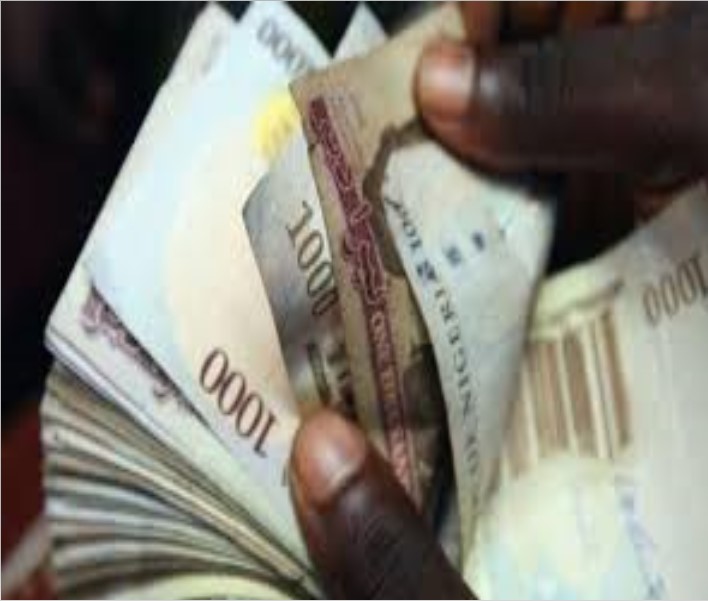
The recent surge in Nigeria’s Naira has raised hopes for a positive impact on the country’s economy. However, despite the apparent strengthening of the currency, there are several factors that contribute to the disconnect between the Naira’s performance and its impact on the overall economy.
- Limited Foreign Exchange Reserves: One of the key reasons why the Naira’s surge is not translating into economic growth is the limited foreign exchange reserves. While the Naira may appreciate against major currencies, the scarcity of foreign exchange reserves makes it challenging to meet the demand for imports and support economic activities.
- Structural Issues: Nigeria’s economy faces deep-rooted structural issues that hinder its ability to fully benefit from a stronger Naira. These issues include inadequate infrastructure, high unemployment rates, and over-reliance on oil exports. Without addressing these structural challenges, the impact of a stronger Naira on the broader economy remains limited.
- Inflationary Pressures: A surge in the Naira can lead to inflationary pressures, especially if it is not supported by increased productivity and a diversified economy. If the rise in the Naira’s value is not accompanied by a corresponding increase in production and competitiveness, it can lead to higher prices for imported goods and services, eroding the purchasing power of consumers.
- Dependence on Oil: Nigeria’s economy heavily relies on oil exports, which exposes it to the volatility of global oil prices. Even if the Naira strengthens, fluctuations in oil prices can significantly impact the country’s revenue and overall economic performance. Diversifying the economy and reducing dependence on oil will be crucial for sustainable economic growth.
- Policy Inconsistencies: Inconsistencies in economic policies and regulations can undermine the positive effects of a stronger Naira. Uncertainty and unpredictability in government policies can discourage foreign direct investment and hinder economic growth. A stable and consistent policy environment is essential for attracting investments and fostering economic development.
- Income Inequality: Nigeria struggles with high levels of income inequality, where a significant portion of the population remains impoverished. A stronger Naira may not necessarily address the underlying issues of poverty and inequality, as the benefits may not trickle down to the most vulnerable segments of society.
To ensure that the surge in the Naira translates into tangible economic growth, Nigeria needs to implement comprehensive reforms. These reforms should focus on diversifying the economy, improving infrastructure, attracting investments, and addressing structural challenges. Additionally, there should be a concerted effort to promote inclusive growth and reduce income inequality.
In conclusion, while the recent surge in Nigeria’s Naira may be a positive development, it is crucial to recognize the underlying factors that prevent it from fully reflecting in the country’s economy. Addressing these challenges through strategic reforms and policies is essential to unlock the true potential of the Naira and drive sustainable economic growth in Nigeria.