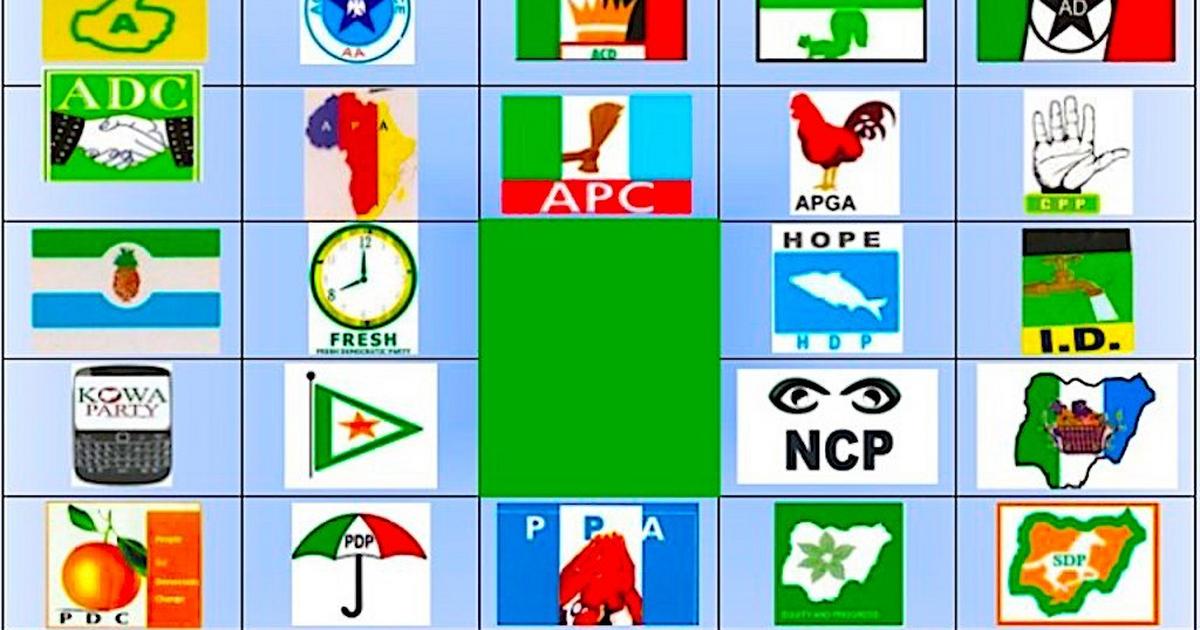
From the broom of the All Progressives Congress (APC) to the umbrella of the People’s Democratic Party (PDP), each logo carries its own narrative, reflecting the ideologies, values, and aspirations of the respective political parties.
By examining the visual elements and design choices, we unravel the symbolism behind these political party logos, offering insights into their historical context and the intended messages they aim to convey. From bold, assertive colors to subtle visual metaphors, every aspect of these logos is carefully crafted to resonate with the Nigerian populace.
Understanding the stories and meanings behind these political party logos allows us to better comprehend the strategies employed by the parties to connect with voters and gain their trust. Join us on this journey as we explore the fascinating world of Nigeria’s political party logos and decipher the visual language that shapes the country’s political landscape.
The significance of political party logos cannot be overstated in the Nigerian political landscape. These logos serve as visual shorthand for the complex ideologies and agendas of political parties, allowing voters to easily identify and align themselves with a particular party. In a country as diverse and populous as Nigeria, where illiteracy rates are significant, logos play a crucial role in bridging the communication gap and reaching a wide audience.
Furthermore, political party logos create a sense of unity and belonging among party members and supporters. By rallying behind a common visual symbol, individuals feel part of a larger movement or ideology, fostering a sense of community and shared purpose. The emotional connection that these logos evoke can be a powerful motivator for grassroots mobilization and political engagement, especially during election campaigns when parties seek to energize their base and attract new supporters.
The importance of a strong and recognizable logo is not lost on political parties in Nigeria, who invest significant resources in creating and promoting their visual identities. A well-designed logo can enhance a party’s credibility, increase its visibility in the public eye, and ultimately sway voter opinions in its favor. As such, political party logos are carefully crafted to convey a specific message or image that resonates with the electorate, whether it be stability, progress, unity, or change.
Nigerian political party logos often share common visual elements and symbols that reflect the nation’s cultural heritage and political history. The colors green, white, and red, taken from the Nigerian flag, are frequently used in party logos to evoke a sense of patriotism and national identity. These colors symbolize unity, peace, and the struggles of the past, resonating with voters on a deeply emotional level.
Additionally, symbols such as the eagle, which represents strength and courage, and the map of Nigeria, which signifies territorial integrity and national pride, are commonly featured in political party logos. These symbols serve as visual cues that reinforce the party’s commitment to upholding Nigerian values and advancing the nation’s interests. By incorporating these familiar motifs into their logos, parties seek to establish a sense of continuity with the past while projecting a vision for the future.
Moreover, elements like the broom, which symbolizes cleanliness and progress, and the umbrella, which signifies protection and inclusivity, are also prevalent in Nigerian political party logos. These symbols are imbued with layers of meaning that resonate with voters on multiple levels, appealing to their aspirations for a better, more prosperous Nigeria. By leveraging these symbols in their logos, parties aim to connect with voters on a visceral and symbolic level, forging a bond based on shared values and aspirations.
The evolution of political party logos in Nigeria reflects the dynamic nature of the country’s political landscape, with parties adapting their visual identities to stay relevant and appeal to changing voter demographics. In the early days of Nigerian democracy, political party logos were often simple and straightforward, featuring basic shapes and patriotic colors to convey a sense of national unity and solidarity.
However, as political competition intensified and parties sought to differentiate themselves in a crowded field, logos became more elaborate and symbolic, incorporating nuanced visual elements that spoke to specific voter groups. For example, the broom in the All Progressives Congress (APC) logo symbolizes the party’s commitment to sweeping away corruption and inefficiency, appealing to voters disillusioned with the status quo.
Similarly, the umbrella in the People’s Democratic Party (PDP) logo signifies the party’s promise of protection and inclusivity, resonating with voters who seek social welfare and security. These evolving symbols and visual metaphors in party logos reflect the shifting priorities and messaging strategies of political parties, as they strive to connect with an increasingly diverse and demanding electorate.
The visual language of Nigerian political party logos is a rich tapestry of symbols, colors, and typography that conveys a wealth of meaning and emotion to voters. By analyzing some of the most popular political party logos in Nigeria, we can gain insights into the strategic choices and messaging tactics employed by parties to attract and retain supporters.
The All Progressives Congress (APC) logo features a bold, stylized broom superimposed on a circular background, signifying the party’s commitment to sweeping away corruption and ushering in a new era of progress and accountability. The use of green and white colors evokes a sense of patriotism and national pride, reinforcing the party’s image as a defender of Nigerian values.
On the other hand, the People’s Democratic Party (PDP) logo portrays a colorful umbrella floating above a map of Nigeria, symbolizing the party’s promise of shelter and protection for all citizens across the nation. The vibrant colors and dynamic composition of the logo convey a message of inclusivity and unity, appealing to voters who seek social welfare and economic prosperity.
Political party logos play a crucial role in shaping voter perception and decision-making during elections, influencing how individuals view and engage with different political parties. A well-designed and strategically positioned logo can create a positive first impression, instilling trust and confidence in a party’s leadership and agenda. On the other hand, a poorly executed or confusing logo can alienate voters and undermine a party’s credibility.
The visual elements and symbolism embedded in political party logos can evoke strong emotions and associations in voters, shaping their opinions and attitudes towards a particular party. For example, a logo that conveys strength and stability may resonate with voters seeking leadership and security, while a logo that signals progress and change may appeal to those looking for innovation and reform. By tapping into these deep-seated desires and aspirations, political parties can influence voter behavior and sway election outcomes.
Moreover, the ubiquity of political party logos in campaign materials, advertisements, and rallies ensures that these symbols are constantly reinforcing the party’s message and values in the minds of voters. The repetition and visual consistency of logos create a sense of familiarity and trust, making it easier for voters to identify and connect with a party, even in a crowded and noisy electoral environment.
Graphic designers play a crucial role in shaping the visual identity and messaging of political parties through the creation of logos that encapsulate the party’s values and aspirations. These designers work closely with party leaders and strategists to understand the party’s core message and target audience, translating complex ideas into simple yet powerful visual symbols that resonate with voters.
The design process for political party logos involves a careful balance of creativity, symbolism, and practicality, ensuring that the logo is not only visually appealing but also communicative and memorable. Graphic designers must consider factors such as color psychology, typography, and cultural symbolism when crafting a logo that will resonate with a diverse and multicultural electorate.
Furthermore, graphic designers must navigate the political and social context in which these logos will be deployed, anticipating potential controversies or misinterpretations that could damage the party’s image. By staying attuned to the pulse of public opinion and societal trends, designers can create logos that are not only aesthetically pleasing but also socially relevant and politically resonant.
Despite their importance and strategic value, political party logos in Nigeria are not immune to challenges and controversies that can tarnish a party’s image and reputation. One common issue faced by political parties is the misappropriation or misuse of their logos by unauthorized individuals or groups, leading to confusion and dilution of the party’s brand identity.
Another challenge is the perception of logos as superficial or gimmicky, with some voters dismissing them as mere window dressing without substantive policy implications. Parties must navigate this skepticism by ensuring that their logos are backed by a coherent and compelling political platform that addresses the real needs and concerns of the electorate.
Moreover, controversies can arise when party logos are perceived as divisive or exclusionary, alienating certain voter groups and undermining the party’s credibility as a unifying force. By fostering inclusivity and diversity in their visual identities, parties can mitigate these controversies and appeal to a broader cross-section of the electorate, building a more resilient and inclusive political movement.
As Nigeria’s democracy continues to evolve and mature, the role of political party logos in shaping the country’s political landscape will only grow in significance. These visual symbols serve as powerful tools for communication, mobilization, and identity-building, enabling parties to connect with voters on a visceral and emotional level. By investing in well-designed and strategically positioned logos, parties can enhance their visibility, credibility, and electoral success.
The future of political party logos in Nigeria lies in their ability to adapt to changing societal norms, technological advancements, and political trends. Parties that embrace innovation and creativity in their visual identities will be better positioned to engage with a diverse and digitally savvy electorate, capturing the imagination and support of a new generation of voters. By harnessing the power of graphic design and symbolism, political parties can forge stronger connections with the Nigerian populace, inspiring trust, loyalty, and active participation in the democratic process.