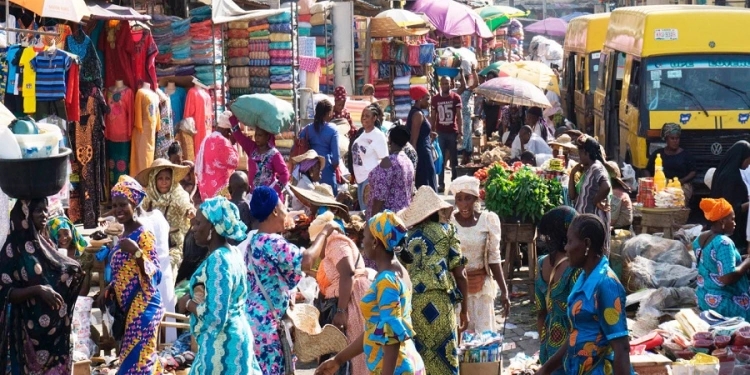
Nigeria is currently facing a serious economic challenge, which is affecting the cost of living of the citizens mean while salaries remain the same. This situation has put a heavy burden on many Nigerians who struggle to make ends meet.
Prices of goods, such as food, transportation, and housing, have increased dramatically. For example, a loaf of bread or a bag of rice costs much more now than it did just a few years ago. Even basic services like electricity and water have become more expensive. Unfortunately, while the living costs goes up, salaries have remain the same, causing families to go on hunger strike.
Moreover, unemployment rates remain high in Nigeria. Many people are either without jobs or working in positions that do not pay enough to cover their basic needs. This adds to the stress and financial strain on households trying to survive in an increasingly expensive environment.
The high cost of fuel now in Nigeria is now the talk of the town, where transportation are not affordable anymore, people now purchase fuel at #1,000 and #1,200 per litre which is frustrating.
For the average Nigerian, the current economic situation means making tough choices daily. Families are cutting down on non-essential expenses and finding ways to save wherever possible. Some are taking on additional jobs or side hustles to supplement their income, but this often comes with added stress and exhaustion.
In conclusion, the rise in Living Costs In Nigeria without corresponding increases in salaries is a severe issue in Nigeria. It highlights the growing disparity between the rich and the poor and underscores the need for effective economic policies that can help ease the burden on its citizens. Only through comprehensive efforts can Nigeria hope to provide a more stable and prosperous future for its people. The Living Costs In Nigeria too high to bear with.
Visit our :
Facebook @bulletinnews,
Twitter @thebulletinnews,
Instagram @thebulletinnews,
and TikTok pages.
Please note that every article on this website is original and not copied content. Our reporters across Nigeria and the rest of Africa produce all the content.
Thank you.