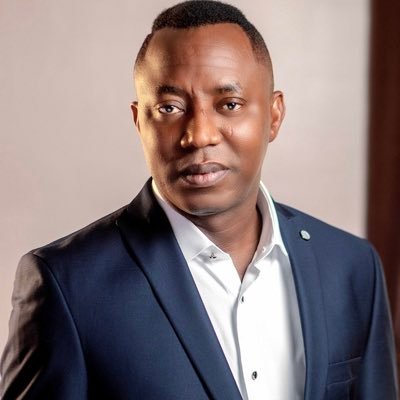
According to Omoleye Sowore, the recent announcement by the EFCC regarding the imprisonment of Bobrisky for allegedly “mutilating” the Nigerian currency, the Naira, has ignited a heated debate about the priorities of the law enforcement agency. Sowore, a prominent activist and journalist, strongly believes that while Bobrisky’s case has garnered considerable attention, the true culprits behind the economic damage in Nigeria have not faced the same level of accountability.
In Sowore’s view, the EFCC’s focus on prosecuting Bobrisky raises questions about the agency’s priorities and whether they are truly addressing the root causes of Nigeria’s economic decline. Sowore points out that individuals like former President @MBuhari, his former Attorney General, Malami, his former personal secretary Tunde Sabiu, and even the former @cenbank governor, @GodwinIEmefiele, have been implicated in contributing to the economic turmoil in the country. However, they have not faced the same level of prosecution or imprisonment as Bobrisky.
According to Sowore, this disparity in treatment highlights a concerning trend within the EFCC. He argues that the agency should be dedicating its resources and efforts towards holding accountable those who have allegedly caused significant harm to Nigeria’s economy. Sowore emphasizes that the real financial criminals, who have allegedly played a role in the devaluation of the naira, should be the primary focus of the EFCC’s investigations and legal actions.
While the specific allegations against the mentioned individuals are not detailed in the given statement, Sowore asserts that ongoing cases involving these alleged financial criminals have been under investigation since 2007. This further emphasizes the need for the EFCC to prioritize these cases and ensure that justice is served.
Sowore, along with many others, calls on the EFCC to reevaluate its approach and redirect its efforts towards pursuing justice for the Nigerian people. He believes that the energy and resources dedicated to prosecuting Bobrisky could be better utilized to address the economic damage caused by the alleged financial criminals.
In conclusion, according to Omoleye Sowore, the EFCC’s focus on the imprisonment of Bobrisky has raised concerns about the agency’s priorities. Sowore advocates for a shift in focus towards holding accountable the individuals who have allegedly contributed to Nigeria’s economic decline. By addressing the root causes of the economic damage, Sowore believes that the EFCC can better serve the Nigerian people and ensure a more just and prosperous future for the country.