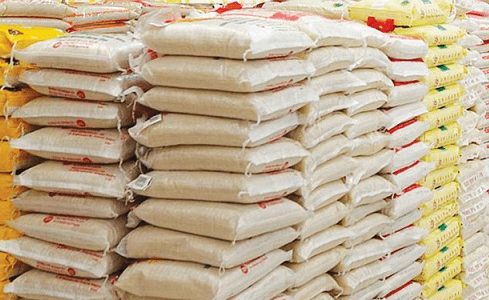
Nigeria has struggled with steadily increasing rice prices in recent years. As one of the country’s most consumed staple foods, the rising cost of rice takes a significant toll on household budgets and food security. There are several interrelated factors that suggest prices may remain elevated.
Lack of Local Production
- Limited domestic rice production has left Nigeria heavily reliant on imports to meet local demand. Though Nigeria has ideal conditions for growing rice and was once self-sufficient, output has declined. Decades of poor investment, unstable policies, and a lack of support for farmers have hampered the sector. Today, only an estimated 35% of national consumption is sourced locally. This import dependence exposes Nigeria to global market volatility and fluctuations in the currency exchange rate that get passed onto consumers. Boosting agriculture and rural livelihoods will be key to stabilizing prices long-term.
Foreign Exchange Challenges
- As an import-reliant country, Nigeria’s ability to purchase rice on global markets is constrained by foreign exchange (forex) issues. Limited forex reserves mean the central bank can only allocate a finite amount of dollars each month to importers. Competition for these scarce dollars has driven the exchange rate higher on the parallel market. Importers pay inflated rates, reflecting the higher costs in the final prices charged to distributors and retailers and ultimately consumers. Unless Nigeria diversifies its economy beyond oil and addresses structural forex problems, exchange pressures will keep import costs high.
Smuggling and Informal Markets
- A sizable amount of imported rice is believed to enter Nigeria unofficially through land borders rather than seaports, evading customs duties and regulations. Smuggled rice floods local markets, undercutting legitimate imports whose formal channels face higher costs. Informal markets also lack standards and oversight. The proliferation of undocumented rice worsens oversupply issues and discourages local farming. Strict monitoring of borders is needed alongside a review of tariffs to curb the illicit economy and better support legal producers and importers.
Insecurity and Rising Input Prices
- In major rice-growing regions like the northeast and north-central zones, escalating attacks by insurgent groups have reduced areas under cultivation and driven people from their farmlands and livelihoods. Violence constrains agricultural activities in already challenging conditions. Additionally, rises in the costs of key inputs like seeds, fertilizers and fuel have pushed up costs for farmers trying to meet domestic needs. Until insecurity issues are resolved and inflation is tamed, food prices will likely keep increasing.
Underinvestment in Infrastructure
- Critical deficits in infrastructure like rural roads, irrigation systems, storage facilities and mechanization continue to constrain agricultural potential and efficiency. These challenges raise production, transportation and preservation costs that elevate the final price of local rice. Although steps are being taken, widespread investment will be needed to close infrastructure gaps hampering the supply chain from farm to table.
In light of the problems above, there is little indication that rice prices will experience meaningful reductions in the near term without comprehensive efforts across many sectors. A multipronged strategy is required to reverse import dependence, shore up local production systems and strengthen the enabling environment for farmers, processors, and marketers to participate in sustainable and affordable rice value chains. Addressing the root problems will take time but must start with political will and collective action from all stakeholders.
In summary, rice is deeply entwined in Nigeria’s food security and economic trends. Stable, accessible prices will hinge on whether agricultural transformation and broader socio-economic reforms can gain traction to resolve the underlying constraints. Short-term palliatives are inadequate – only long-term solutions that revamp production capacity and address structural weaknesses will pave the way for rice prices Nigerians can afford.