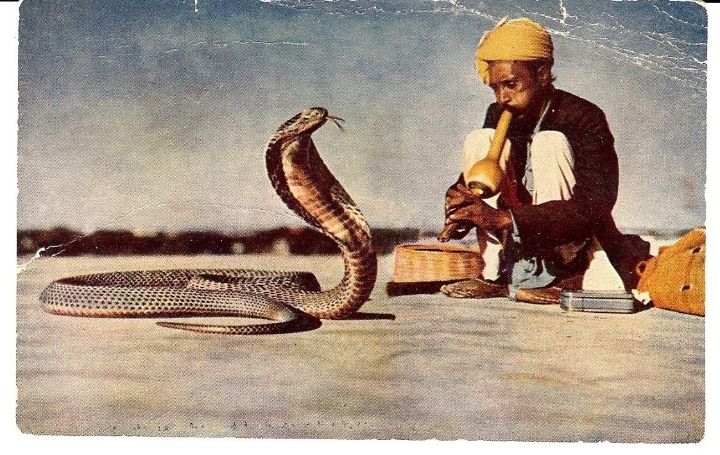
Once upon a time, during the colonial era in India, the busy city of Delhi faced an unusual problem: too many cobras. The government came up with what seemed like a clever plan to fix this. They decided to offer money for every dead cobra people brought in. The idea was simple: by paying people for each cobra they killed, they hoped to get rid of the dangerous snakes.
However, things didn’t go as planned. Instead of going out to hunt the cobras in the wild, some clever people saw an easier way to make money. They started breeding cobras at home. Since the reward for a dead cobra was more than it cost to raise one, this seemed like a great way to earn some extra cash. Soon, many people in Delhi had set up small cobra farms in their homes. They were producing more and more cobras to claim the reward. When the government discovered this trick, they quickly stopped offering the reward. But by that time, the breeders had too many cobras and no way to make money from them.
So, what did they do? They released the cobras back into the wild. This led to an even bigger problem. Instead of reducing the number of cobras, the city’s cobra population actually increased. The very problem the government tried to solve became worse, putting the people of Delhi in even more danger.
This story teaches us an important lesson: quick fixes can often lead to unexpected problems. The cobra problem in Delhi shows why it’s crucial to think through solutions carefully. It’s not just about solving the immediate issue; we must also consider what might happen in the long run.
In the end, the cobra breeders’ attempt to cheat the system only made things worse. This serves as a timeless reminder that we need to think about the broader impact of our actions and strive for solutions that are sustainable and well thought out.
Visit our :
Facebook @bulletinnews,
Twitter @thebulletinnews,
Instagram @thebulletinnews,
and TikTok pages.
Please note that every article on this website is original and not copied content. Our reporters across Nigeria and the rest of Africa produce all the content.
Thank you.