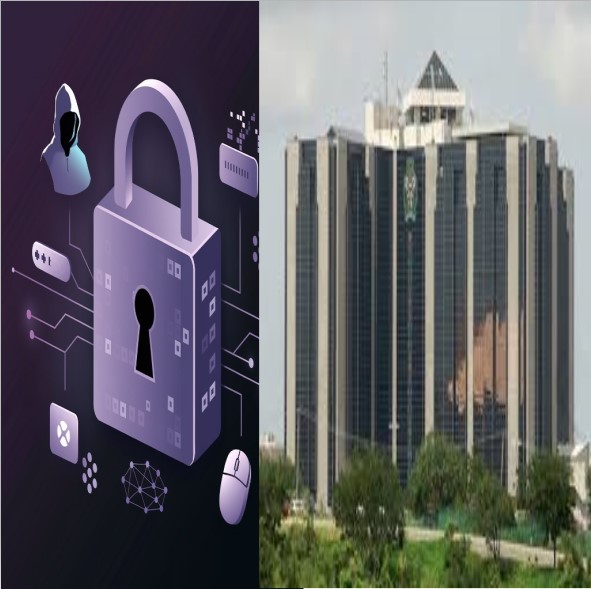
The Central Bank of Nigeria (CBN) has recommitted to its plan of enforcing a cybercrime levy of 0.005% on all electronic transactions as part of its new fiscal guidelines for 2024-2025. This move, though aimed at enhancing the nation’s cybersecurity framework, has proven to be rather contentious among the Nigerian populace.
Initially, the rate of the levy was set at 0.5% when announced in May 2024, but it has since been significantly reduced to 0.005%. Despite this reduction, the levy still attracts considerable debate. Critics argue that any additional charge on electronic transactions, no matter how small, can be burdensome, particularly for individuals and small businesses who rely heavily on electronic payments for their daily operations.
The enforcement of this levy is grounded in the Cybercrime (Prohibition, Prevention, etc.) Act of 2015, which mandates financial institutions to collect the fee. The rationale behind this charge is to funnel the revenue into a cybersecurity fund. This fund is essential for financing measures designed to protect Nigeria’s financial systems against the escalating threat of cyberattacks.
In its Monetary, Credit, Foreign Trade, and Exchange Policy Guidelines document for the fiscal years 2024-2025, the CBN underscored its dedication to upholding this levy. It requires banks and financial institutions to diligently deduct the specified percentage from all electronic transactions. According to the guidelines, the CBN asserts that the collection of this fee is not just a legal obligation but also a necessary step towards securing the electronic financial landscape of Nigeria.
Supporters of the levy believe it is a necessary evil. The funds raised will be pivotal in bolstering Nigeria’s defenses against cybercrime, which is increasingly targeting the banking sector. In an era where cyber threats are becoming more sophisticated and prevalent, investing in robust cybersecurity measures is not only prudent but also indispensable.
However, the practical implications for consumers and businesses create a complex scenario. While a 0.005% charge might seem negligible, it cumulatively adds up, particularly for high-frequency or high-value transactions. This could inadvertently discourage the use of electronic payment systems, which are essential for a modern, cashless economy.
In conclusion, the CBN’s decision to persist with the cybercrime levy underscores a critical balance between enhancing national cybersecurity and managing the economic impacts on day-to-day financial activities. This policy will need careful implementation and monitoring to ensure it achieves its goal of strengthening cybersecurity without unduly burdening the end-users of electronic financial services.
Visit our :
Facebook @bulletinnews,
Twitter @thebulletinnews,
Instagram @thebulletinnews,
and TikTok pages.
Please note that every article on this website is original and not copied content. Our reporters across Nigeria and the rest of Africa produce all the content.
Thank you.