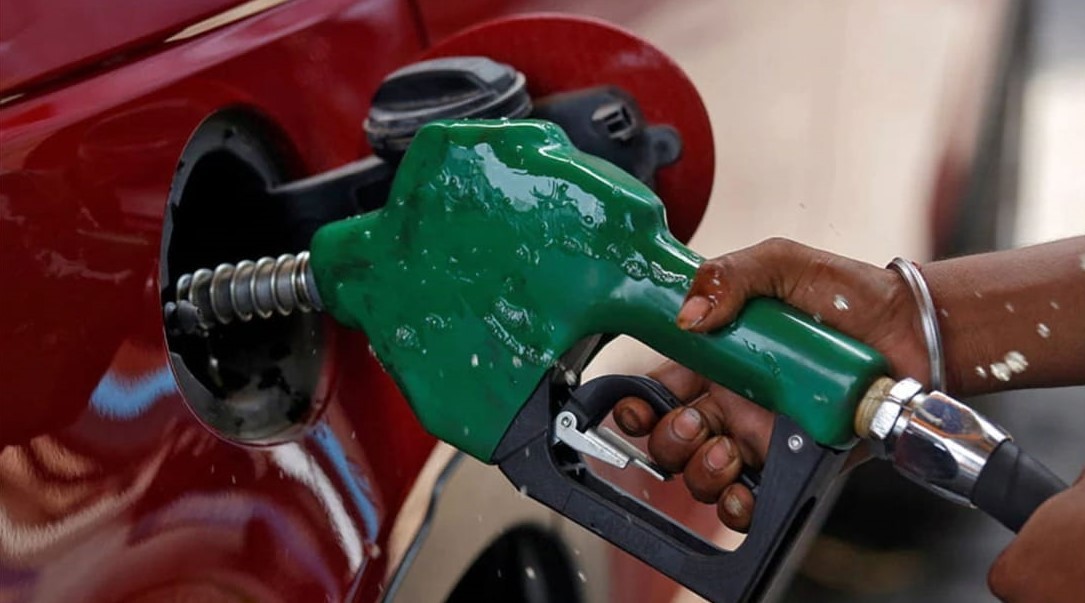
In many countries, not having gas at the station is a small problem fixed fast. But in Nigeria, petrol problems can be serious for many companies. When gas runs low or sells out completely, it causes big issues especially for small businesses that power our economy.
Some businesses feel the effect quickly. Taxis, deliveries, and transportation can’t work without petrol for their cars. They lose money if vehicles must stay parked. Factories also face difficulties running equipment and generators that need diesel. Disruptions slow down production and fill orders.
Food stalls and restaurants cooking with gas struggle too when supplies dry up. Makeshift food places may have health issues cooking different ways. Bigger cafes see less customers choosing home-cooked food instead. Both city and rural food sellers earn less money during shortages. Even petrol stations see less people and sales on low days.
Problems also spread to linked businesses. Suppliers get behind as transport slows down. Companies depending on others are similarly impacted by disruptions in their connections. Construction, services and other industries deal with knock-on problems from obstructed links. Many direct and indirect jobs are threatened.
Small companies are so important because they make up most businesses in Nigeria, employing many people. While overseas events sometimes affect petrol supplies, more must be done here to protect this lifeline. Stockpiles, close monitoring and quick response plans can reduce problems during disruptions. With added support, entrepreneurs can thrive without worrying over whether petrol will be there, driving our progress forward.