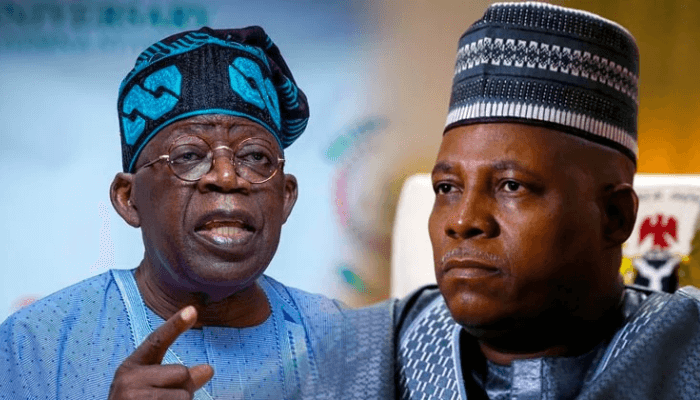
The political landscape of Nigeria has always been a subject of discussion and debate. One aspect that often sparks controversy is the idea of a Muslim-Muslim presidential ticket Nigeria. In a country known for its religious diversity, where Christians and Muslims make up the majority of the population, some argue that such a ticket could have far-reaching consequences. However, upon closer examination, it becomes evident that a Muslim-Muslim presidential ticket does not significantly impact Nigeria.
1. Nigeria’s Secular Constitution
Nigeria is a secular state with a constitution that upholds the principles of religious freedom and equality. Regardless of the religious affiliation of the presidential ticket, the constitution guarantees the right of every citizen to practice their religion freely. This constitutional provision ensures that no particular religious group dominates the political sphere, fostering an environment of inclusivity and tolerance.
2. Nigeria’s Political System
Nigeria operates a multi-party political system where political parties are not based on religious lines. Candidates from different religious backgrounds can compete for various political positions, including the presidency. The political system encourages individuals to vote for candidates based on their qualifications, track record, and vision for the country, rather than their religious identity.
3. Focus on Competence and Merit
In recent years, there has been a growing emphasis on competence and meritocracy in Nigerian politics. The electorate, particularly the younger generation, is more concerned with the candidate’s ability to deliver on their promises rather than their religious background. As a result, the focus has shifted from religious affiliations to the competence, integrity, and leadership qualities of the candidates.
4. Interfaith Dialogue and Cooperation
Nigeria has a long history of interfaith dialogue and cooperation, with religious leaders actively promoting peaceful coexistence and unity among their followers. This culture of religious harmony has played a significant role in minimizing religious tensions and ensuring that a Muslim-Muslim presidential ticket does not create divisions among the populace. Interfaith dialogue platforms serve as avenues for understanding, respect, and collaboration between different religious groups.
5. Diversity and Power Sharing
Nigeria is a country with diverse ethnic and religious groups. To maintain stability and promote inclusivity, power-sharing arrangements are often put in place to ensure that different regions and religious groups are represented in the government. This approach helps to prevent any one group from feeling marginalized or excluded, regardless of the religious composition of the presidential ticket.
6. Focus on National Issues
Nigeria faces numerous challenges, including security threats, economic development, and social welfare. The average Nigerian is more concerned about these pressing national issues than the religious background of their leaders. As long as the presidential ticket demonstrates a commitment to addressing these challenges and improving the lives of the citizens, the religious composition becomes of secondary importance.
While the idea of a Muslim-Muslim presidential ticket may raise concerns for some, it is essential to recognize that Nigeria’s stability and unity are not solely dependent on the religious composition of its leadership. The country’s secular constitution, political system, emphasis on competence, interfaith dialogue, diversity, power-sharing arrangements, and focus on national issues all contribute to maintaining harmony among its diverse population. As Nigeria continues to progress, it is crucial to prioritize inclusivity, meritocracy, and the pursuit of the common good, regardless of the religious background of its leaders.